
 DotContext
 5 Mins Read
Context Is the Missing Layer in Digital Advertising
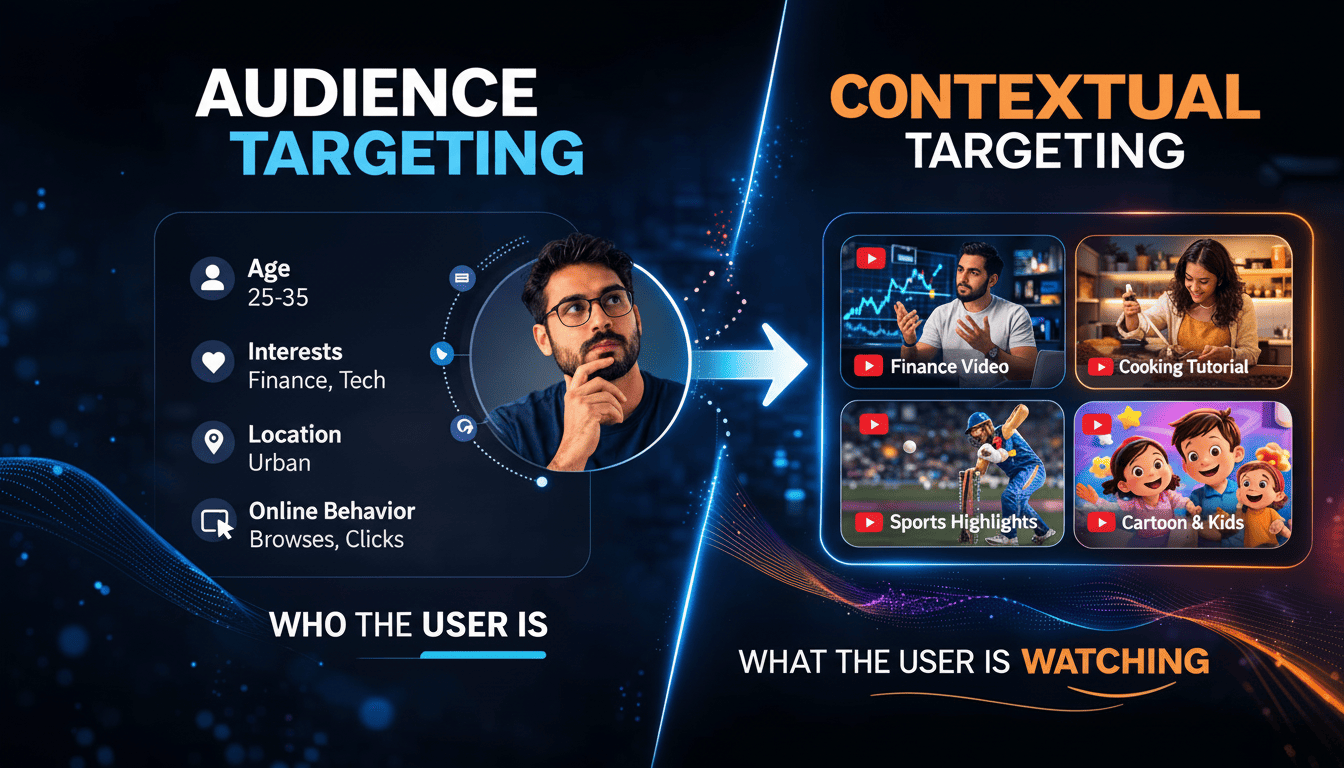
For most of the last decade, digital advertising has focused heavily on identifying the right audience. Platforms allow advertisers to target users based on demographics, interests, browsing behavior, and keywords. The idea is simple. If the right person sees the ad, the campaign should work.
This approach has powered much of the growth in digital marketing. Brands can reach highly specific groups of users and measure campaign performance with great precision. But even when the audience targeting is accurate, campaigns often underperform.The reason is surprisingly simple: the moment is wrong. Reaching the right person does not guarantee relevance if the ad appears in the wrong context.
The Same Person Has Many Different Mindsets
A single user can move through multiple contexts throughout the day.In the morning, they might watch productivity videos or read business news. In the evening, they may watch entertainment content or sports highlights. Later at night, they might look up tutorials or hobby related videos. Each of these moments represents a completely different mindset. Even though the person is the same, their intent and attention change depending on the content they are consuming.When advertising ignores this shift in mindset, ads often feel irrelevant or intrusive.
Why Context Determines Relevance
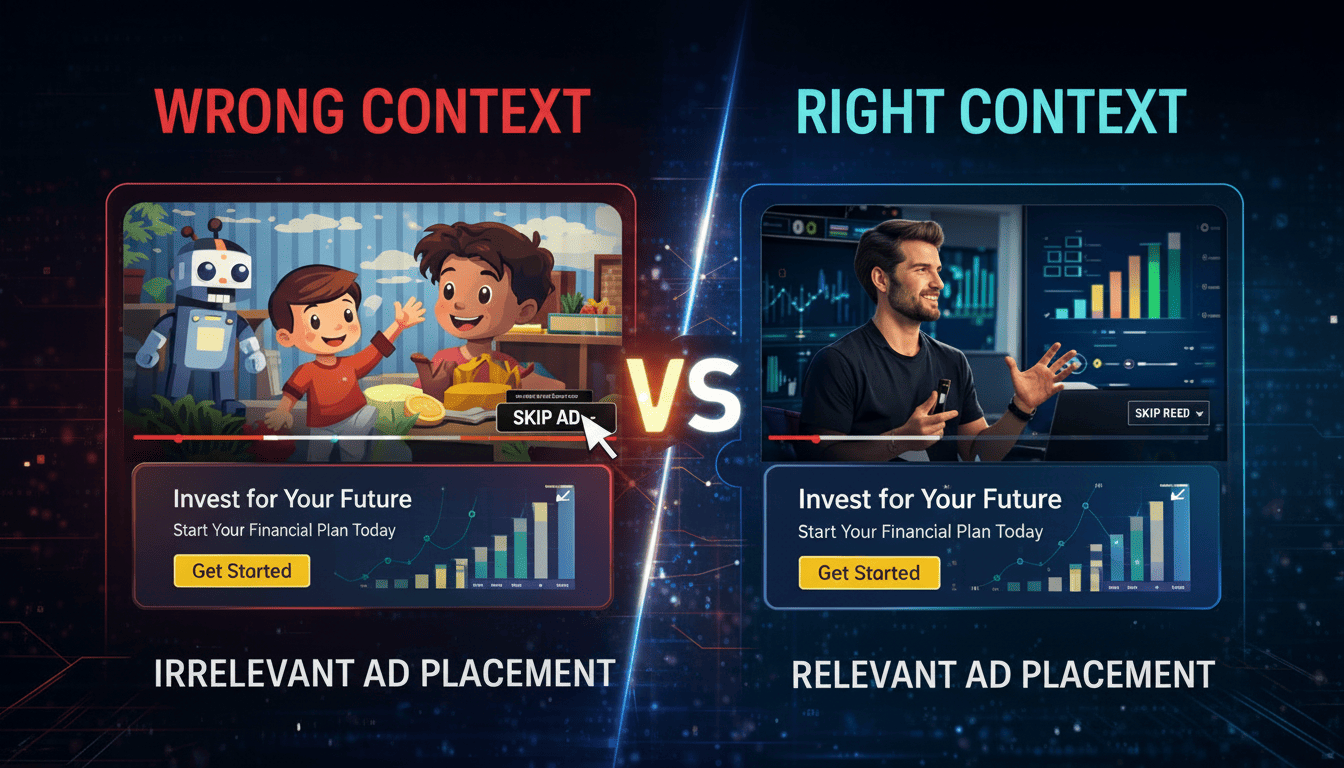
Context refers to the environment in which an ad appears. It includes the content being consumed, the viewer's intent in that moment, and the overall mental state of the audience. When ads align with the surrounding content, they feel more natural and relevant. For example, a financial planning service appearing alongside a personal finance video feels useful. The viewer is already thinking about money, planning, or investment decisions. The same ad appearing during a cartoon video will likely be skipped within seconds. The difference is not the audience. The difference is context.
Why Contextual Targeting Is the need of the hour
As privacy regulations evolve and tracking limitations increase, advertisers are beginning to move towards contextual targeting. Instead of relying only on user level data, contextual systems analyze the content itself. They understand what the viewer is watching and place ads where the message naturally fits the environment. This approach focuses less on chasing users across the internet and more on aligning the message with the moment. In many ways, contextual targeting represents a shift back toward relevance rather than surveillance.
The Future of Advertising Is Context Aware
The next evolution of digital advertising will not abandon audience targeting. Instead, it will combine it with contextual intelligence. Understanding who the viewer is remains important. But understanding what the viewer is watching right now is equally critical. When these two layers work together, advertising becomes significantly more effective. Ads stop feeling like interruptions and begin to feel like helpful suggestions. And in an environment where attention is limited, relevance is what determines whether an ad is ignored or remembered